
About Zanzibar
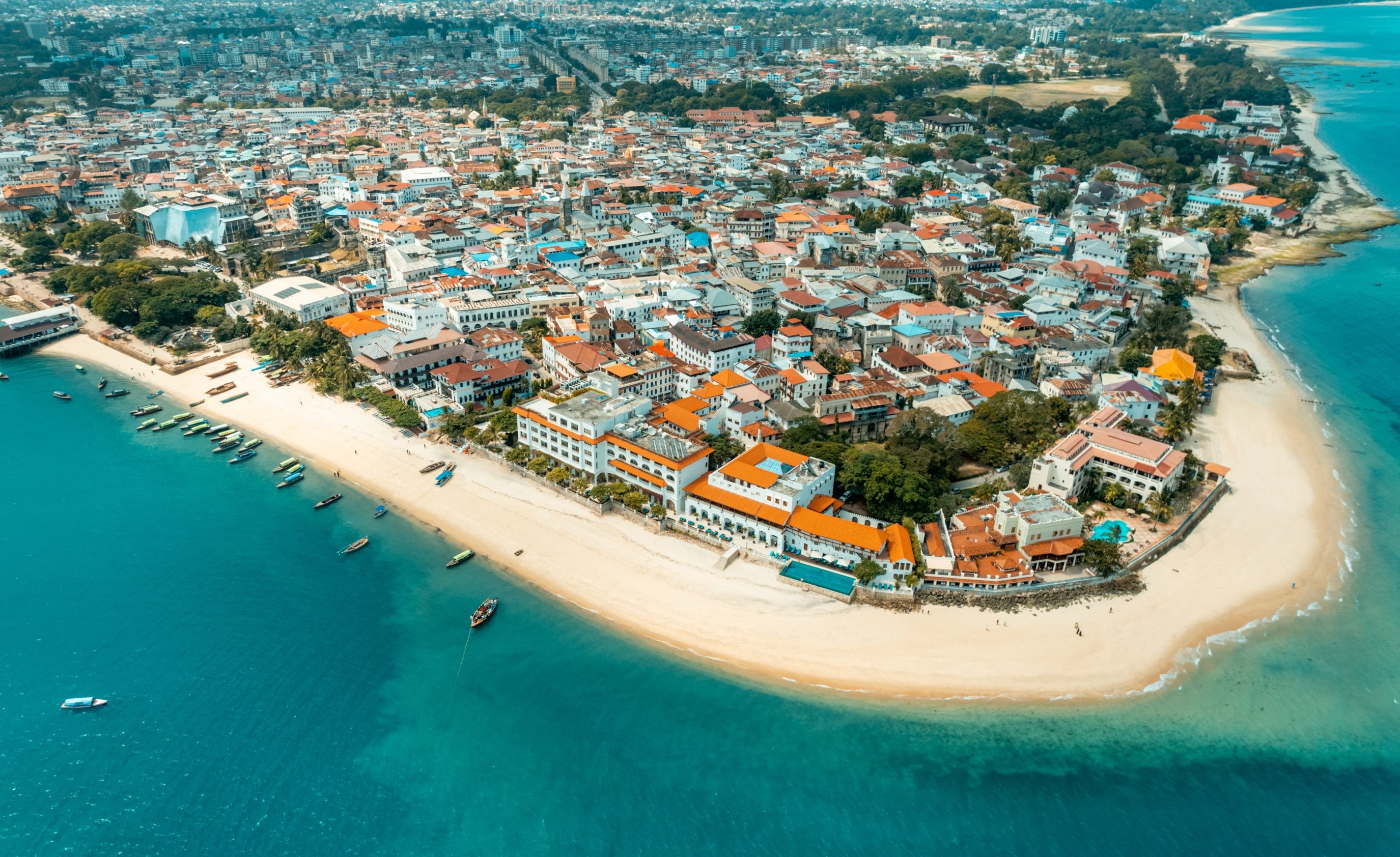
Zanzibar is one of the largest island groups on the East African coast. It comprises two main islands – Unguja (about 1,464 km²) and Pemba (about 686 km²) – plus many smaller islets. Together they form a semi-autonomous part of the United Republic of Tanzania. The name “Zanzibar” comes from the Arabic Zinj el Bar, meaning “Land of the Black People”. When most travellers say they are going to Zanzibar, they mean Unguja, whose capital is the fascinating historic Stone Town.
The island evokes images of dhows with white sails on the Indian Ocean, palm-lined white-sand beaches at sunset, ruined historical buildings, women in traditional dress, exotic spice plantations and a rich, layered history that still lives in local culture and traditions.
As your ground handler we arrange a wide range of activities: spice plantation tours, dolphin trips to the southern beaches at Kizimkazi, cultural walks in Jambiani village, visits to Jozani Forest (home of the endemic Red Colobus monkeys), Prison Island by traditional dhow, and guided explorations of Stone Town – including the House of Wonders (Beit el Ajaib), the Sultan’s Palace and the site of the former slave market at Darajani.
Why Visit Zanzibar
Historic Stone Town
UNESCO-listed labyrinth of narrow alleys, carved doors, palaces and markets – one of the best-preserved Swahili trading towns in East Africa.
Spice plantations
Cloves, cinnamon, nutmeg, vanilla and more – guided tours show how the “Spice Island” earned its name.
Pristine beaches
Powder-white sand and turquoise water on the east and north coasts – ideal for swimming, snorkelling and pure relaxation.
Perfect post-climb extension
After Kilimanjaro or a safari, Zanzibar offers the ideal contrast of culture, history and beach recovery.
Popular Zanzibar Excursions
We can arrange any combination of the following activities as day trips or as part of a multi-day Zanzibar stay.
Stone Town Walking Tour
Explore the narrow streets, House of Wonders, Sultan’s Palace, former slave market and lively Darajani market. Hear stories of traders, sultans and the birthplace of Freddie Mercury.
Spice Plantation Tour
Walk through working farms and discover cloves, cinnamon, nutmeg, pepper, vanilla and tropical fruits with a knowledgeable local guide.
Beach Time
Relax on the famous east-coast or north-coast beaches. We can arrange transfers, beach hotels or simple day visits for swimming and sun.
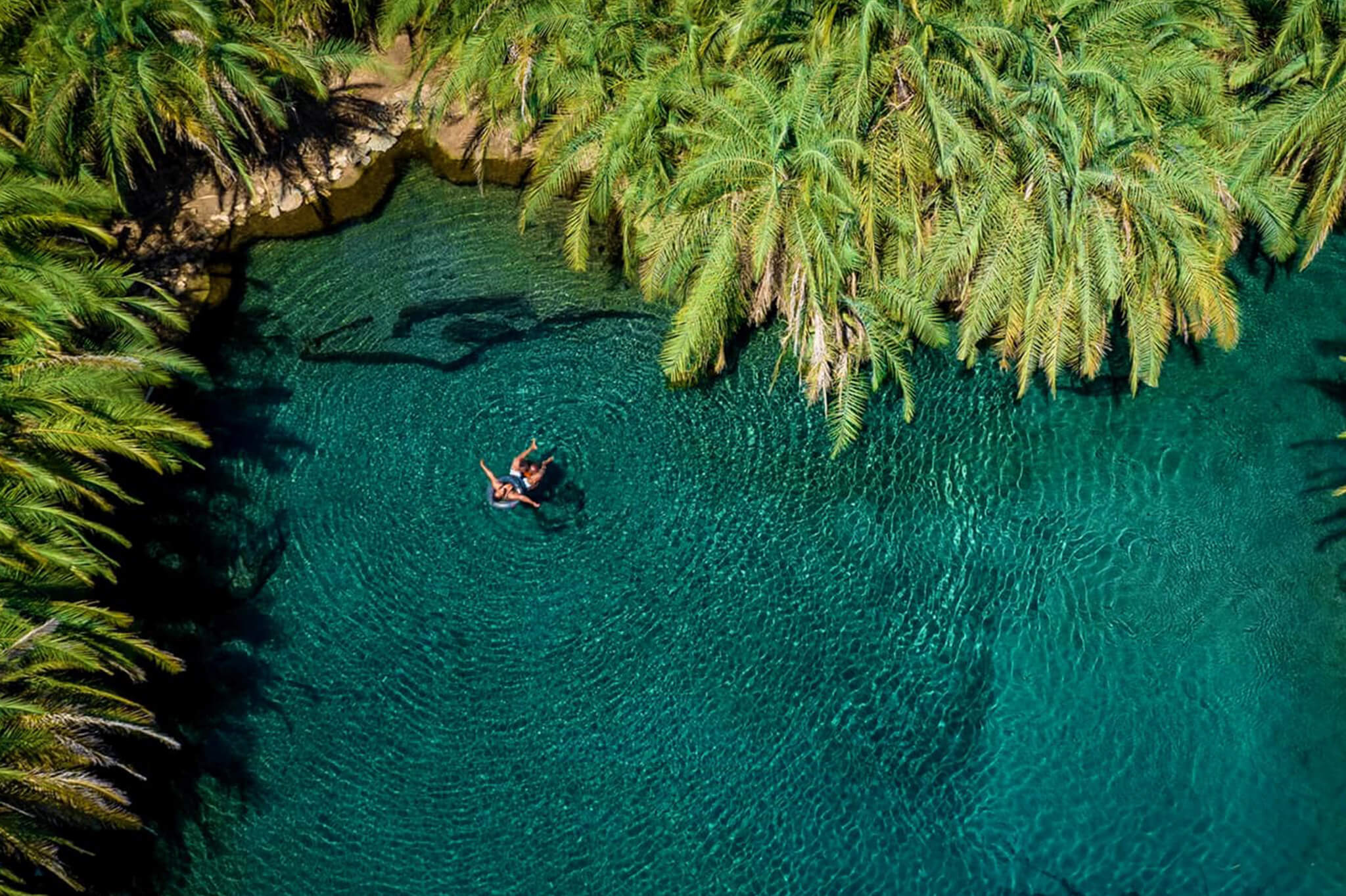
Jozani Forest
Home of the endemic Red Colobus monkeys (Kima Punju). A short guided walk through the last remaining groundwater forest on the island.
Prison Island
Short dhow trip to Changuu (Prison Island). See giant tortoises, snorkel and enjoy the historic buildings and beach.
Dolphin Tour – Kizimkazi
Morning boat trip from the southern village of Kizimkazi with the chance to see (and sometimes swim near) wild dolphins.
Zanzibar Frequently Asked Questions
What is the best time to visit Zanzibar?
The dry seasons (June–October and December–February) generally offer the best beach weather. November has short rains; March–May is the long rainy season and is quieter and greener.
Can I combine Zanzibar with a Kilimanjaro climb or safari?
Yes – this is one of the most popular combinations. We arrange seamless transfers and complete itineraries so you can finish your trek or safari and fly or drive to Zanzibar for recovery and relaxation.
What are the must-do activities?
Stone Town walking tour, spice plantation visit, Jozani Forest (Red Colobus), Prison Island, a dolphin trip from Kizimkazi, and simply relaxing on the east or north coast beaches.
How many days do I need in Zanzibar?
Three to five nights is ideal for a good mix of culture, activities and beach time. Longer stays are perfect if you want pure relaxation.